Posts

Giraffes: the new truths
Image
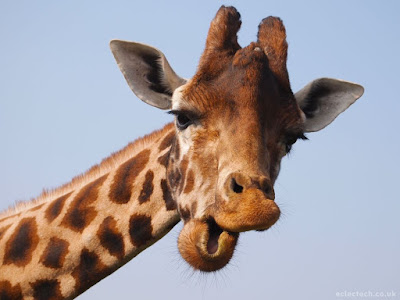
How much do we really know about giraffes?   21 st June 2017 is World Giraffe Day. As the day dawns on us, how much do we really know about giraffes and the threats that face them? With legs standing taller than a human, giraffes are officially the tallest terrestrial animal in the world. They are ruminating ungulates which in laymen terms means they are grass eating, hoofed mammals. For centuries their ominous size coupled with their docile personalities, has fascinated us. They have provided much enjoyment on safari trips across the African savannahs and are often thought to be abundant on the African continent. As World Giraffe Day dawns, I delved into the facts behind these gentle giants and found some stark contrasts to the common beliefs of giraffes. Facts you probably didn’t know It has only recently come to light that there are four species of giraffe – not one! In 2016, reports suggested an estimated 80,000 giraffes survive in th...

Yes, you can eat sustainably – in 7 simple steps!

Image
      Yes, you can eat sustainably – in 7 simple steps!   Can you afford to ignore the need to change to sustainable eating – not if you want to be healthy. It is no secret that modern food production is not only harmful to the environment and animals but personal health. Globally, the impact of industrial food production means pesticides, additives, preservatives and other chemicals find their way into your food. These have been linked to birth defects, damage to the nervous system and even cancer .   Mono-cropping – growing only one crop in an area – reduces the genetic diversity of a plant and makes them more susceptible to diseases. This means entire crops are at risk of being wiped out by pests. Factory farming means animals are kept in unsanitary conditions, often crammed together with no free movement. Sickness is rife and easily spread. These poor animals are then used for mass food production – their welfare exchanged for...

The true cost of what we eat

Image
Across the globe, farmers are exploited by giant conglomerates making eye-watering amounts of money from food production. But what is the true cost of food that comes from unsustainable sources where deforestation and extinction are caused by consumerism? The rising cost of food – cheaper is more expensive! We all grumble at the rising cost of food in times where austerity is rife and wages are not in line with inflation. Whilst we chunter to ourselves in the supermarket aisles, many of us don’t realise the true price of unsustainable food: a price that costs the environment, costs animals’ lives and costs humans their rights. It is so far removed from our consumer habits we don’t stop to consider what our want of falling food prices really entails. The hidden costs include:  agricultural-driven deforestation extinction perpetuation of gender inequalities exploitation  habitat loss for animals and humans. The sad reality is, our current food production ...

The changing behaviours of ocean predators

Image
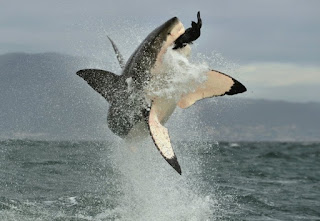
Whales and sharks around the world are displaying bizarre changes in behaviour as theories around food shortages circulate. But is something more sinister to blame? A wave of braver behaviour Reports are building of sharks and orcas (killer whales) around the globe displaying changes in behaviour, suggesting they are becoming braver and more brazen in their approaches to survival. With the help from drones, footage is emerging of sharks swimming in shallow waters amidst a rise in shark attacks. Orcas are attacking other predators with an unprecedented ferocity that usurps their vociferous reputation. Anyone interested in marine conservation must have noticed the surge in social media posts regarding changes in behaviour patterns of whales and sharks around the globe. As the evidence against these possibilities mounts, governments all over will need to listen to the experts who are monitoring varying changes in behaviour patterns as they could highlight more s...

Rare black servals caught on camera!

Image
 Whilst melanism in cats is common, black servals are extremely rare Not one but TWO black servals have been photographed ten days apart! Photographer captures a black serval in Kenya on a photography tour days after a camp manager captured a different one in Tanzania. A wildlife photographer has proved black cats really are lucky for some after photographing an extremely rare black serval close to Kenya’s Tsavo West National Park. In February of this year, Sergio Pitamitz was leading a photography tour in the privately owned Lualenyi Camp when a dark spot in the grass stopped the group in their tracks. After waiting a few moments, the group were treated to the sight of the black serval before it slunk off into the bush. The serval, also known as the tierboskat, is a medium-sized cat, usually buff to golden-yellow in colour with unusual dark spots that become longitudinal stripes about the neck. Its black ear tufts lend it an endearing look, adding to its unusual feline...